Choosing the Wrong Excavator Attachment? 3 Key Factors to Avoid 90% of Efficiency Issues
As a construction professional, have you ever faced this:
You invested in a high-priced excavator attachment, but it keeps failing on the job—your breaker can’t crack hard rock,
your grapple can’t grip materials tightly, and instead of boosting progress, it’s slowing down the entire project.
The truth is, choosing excavator attachments is about more than just price.
The right one can make a single excavator perform like 1.5 machines; the wrong one wastes money and risks costly delays.
Today, we’ll break down 3 critical factors to help you match attachments to your needs,
ensuring every dollar you spend delivers results.
1. Start with the “Work Condition”: Attachments Have “Personalities” for Different Scenes
An attachment’s effectiveness starts with how well it fits your job site environment.
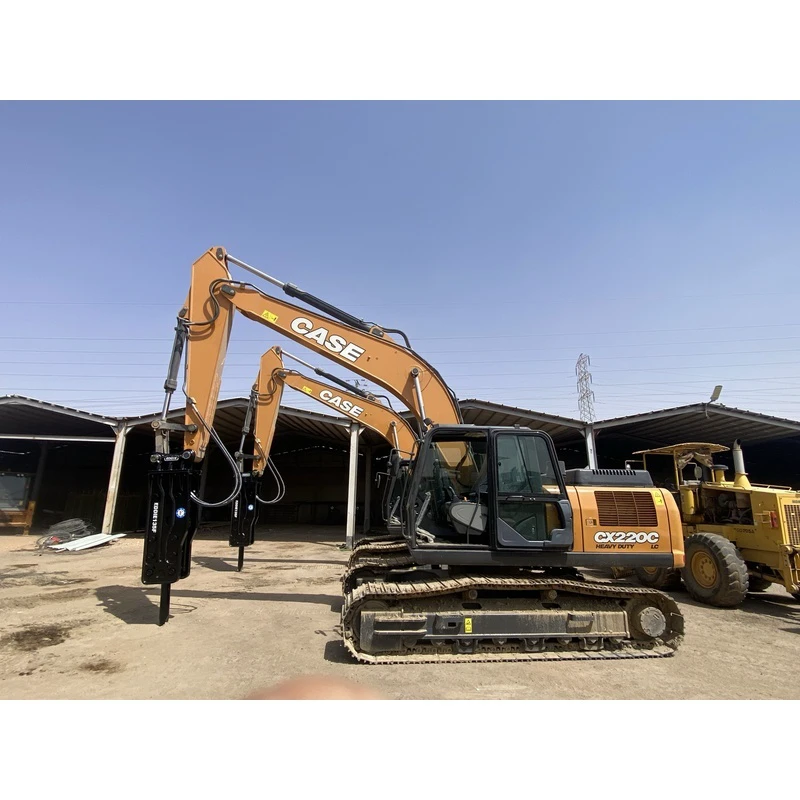
• Hydraulic breaker/demolition: Prioritize high-frequency breakers (1,000–1,800 blows per minute).
Their rapid impact penetrates dense rock like granite or basalt without excessive wear on the excavator.
Avoid low-frequency models here—they’ll struggle and increase fuel consumption.
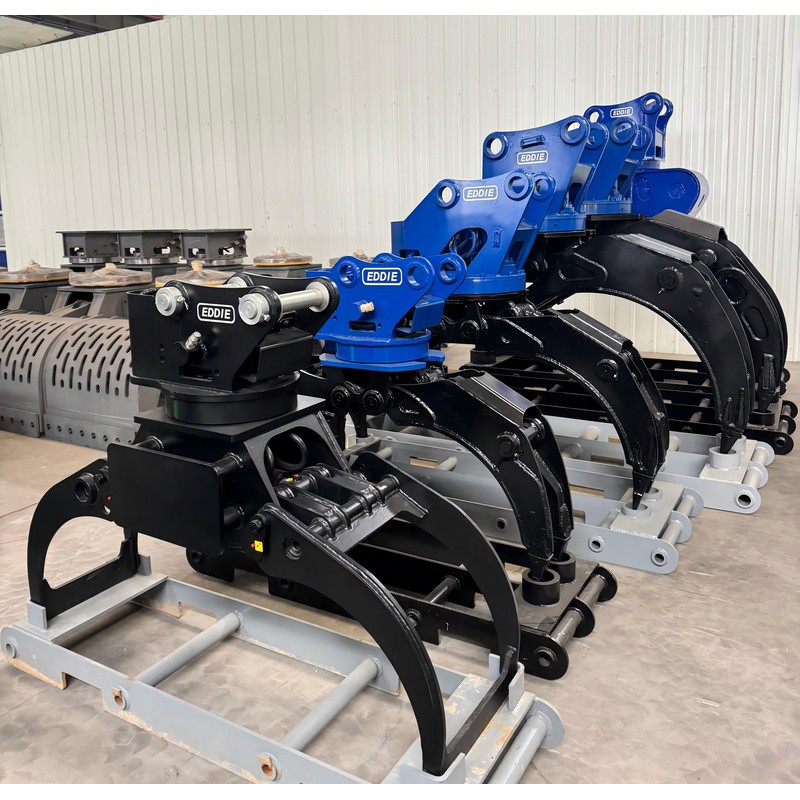
• Material handling (scrap metal, logs, stones): Opt for rotating grapples with 360° rotation.
The flexible jaw design (with replaceable wear plates) ensures a secure grip, even on irregularly shaped materials.
For light loads like sandbags, a fixed grapple may suffice to save cost.
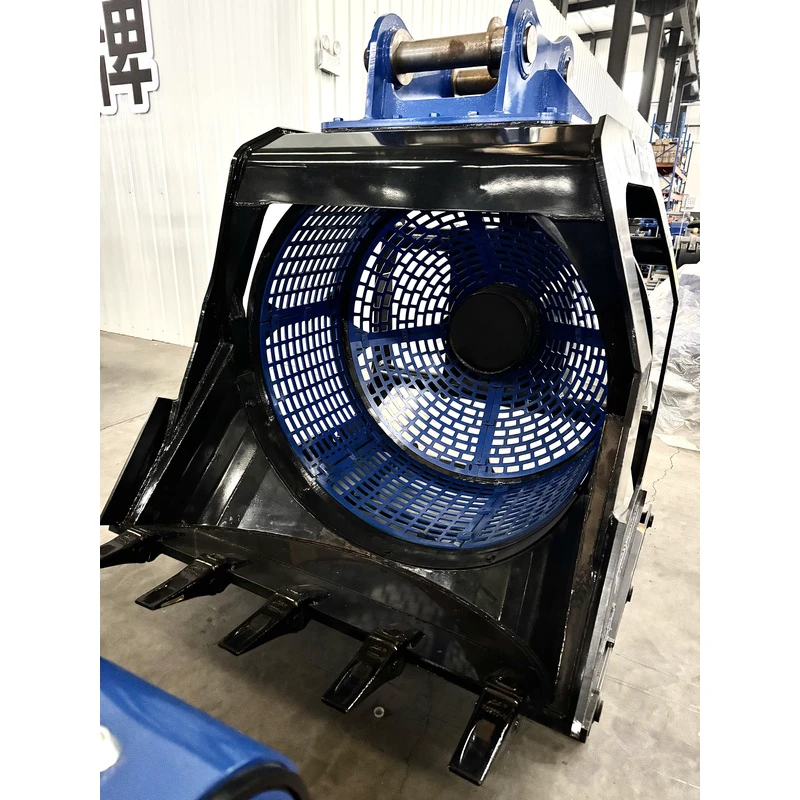
• Construction waste/concrete processing: A Bucket attachment is the efficient choice.
It can directly crush concrete blocks and bricks into reusable aggregates on-site, eliminating the cost of transporting to landfills.
The crushed materials can even be reused for site backfilling—Eddie customers report a 40% reduction in construction waste disposal costs per project.
2. Match to Your Excavator’s “Strength”: Don’t Overload or Underuse
Your excavator’s weight and hydraulic flow determine the attachment’s ideal size.
• For 6–10 ton excavators (common in small construction):
Stick to attachments under 800kg, like a 400mm-wide breaker or 0.3m³ bucket. Overloading can damage the arm or hydraulic system.
• For 20–30 ton machines (heavy-duty projects):
Go for larger options—e.g., a 1,200mm breaker for quarry work or a 1.2m³ grapple for handling concrete debris.
Ensure the attachment’s hydraulic pressure matches your excavator’s output (check the manual for specs like 20–30 MPa).
3. Prioritize “Durability Details”: Small Features Save Big on Maintenance
Long-term, the right materials and design cut down repair costs:
• Jaws/teeth: Look for high-strength steel (Hardox 450+) in grapple jaws or bucket edges.
They resist wear 2x longer than regular steel, ideal for abrasive materials like gravel.
• Seals and hoses: Choose attachments with double-layer hydraulic seals and reinforced hoses. They prevent oil leaks in dusty or wet conditions—critical for jobs in rain or demolition sites.
• Easy maintenance: Opt for designs with quick-access grease points and replaceable parts (e.g., bolt-on teeth).
This reduces downtime when parts need fixing.
Final Tip: Let Market-Proven Performance Speak Louder Than Specs
Shanghai Jinlin Engineering - Excavator Attachments Manufacturer & Supplier
Instead of relying on cold spec sheets, equipment that has stood the test of real-world use is far more trustworthy.
Every Eddie excavator attachment has been field-tested across 500+ job sites worldwide—from hard rock quarries in Norway to earthmoving projects during Malaysia’s tropical monsoons.
Our breakers and grapples have been refined through extreme conditions, with their consistent performance replacing “paper promises” long ago.
If you’re struggling with matching attachments to your work conditions or boosting efficiency, just share your excavator model and job site details.
Eddie’s engineers, with over 10 years of hands-on experience, will recommend solutions proven by market feedback.
Click here to explore Eddie’s global job site case studies or contact us now for a tailored configuration—let equipment that truly stands the test be the backbone of your project progress.
 English
 简体中文
简体中文
 العربية
 Tiếng Việt
 Hindi
Hindi
 Español
 Deutsch

Live A Message